


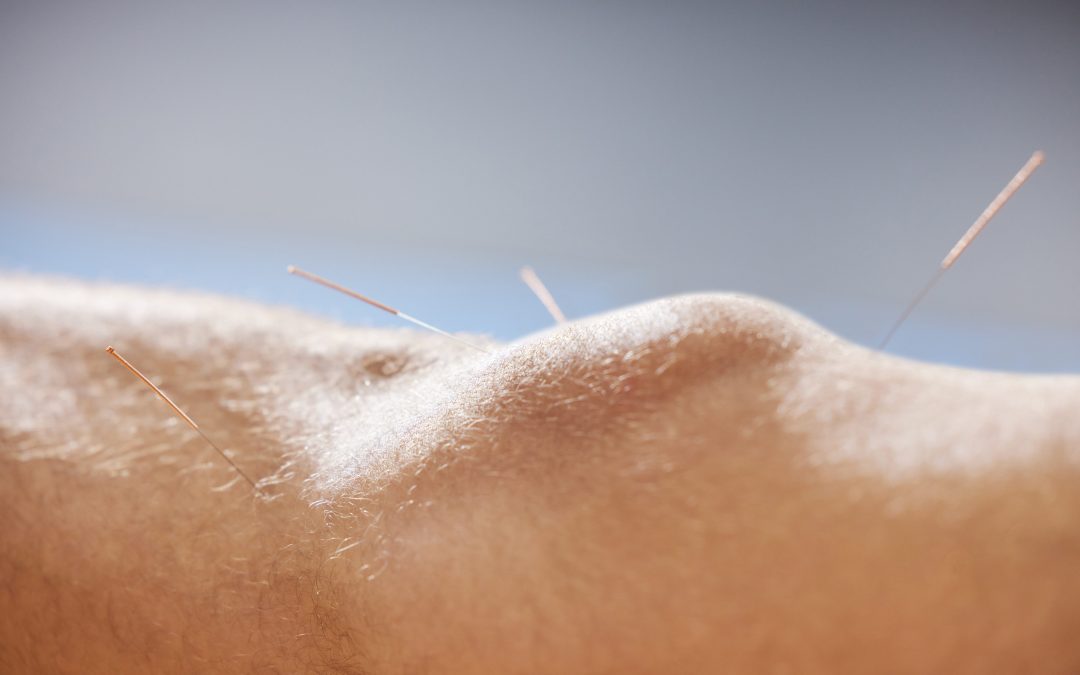
A tight calf that grabs mid-run or a shoulder that locks after deadlifts can stall your season fast. Picking the wrong needle therapy costs you weeks. This guide shows which injuries respond to dry needling and which call for sports acupuncture, so you can choose the right fix and get back to training sooner.
Dry Needling vs. Acupuncture: How Each One Works
Both use the same sterile, hair-thin needles, but they work differently. Dry needling targets tight, knotted bands inside an overworked muscle. Traditional acupuncture uses points across the body to calm pain signals and ease muscle guarding. Colorado Orthopedic Acupuncture offers both, so active people across the central Front Range can match the care to the injury. Research is still mixed on which works better for muscle pain, so let your symptoms guide the choice.
During dry needling, your provider gently probes a tight muscle knot until the fiber twitches and lets go. That quick twitch relaxes the muscle so it moves normally again. Orthopedic acupuncture usually leaves needles in place for 15 to 30 minutes to calm pain signals. Dry needling often feels like a brief, deep cramp, while acupuncture tends to feel like steady warmth that relaxes your whole body.
Which One for Which Injury? A Quick Comparison
Dry needling often works fastest on isolated muscle spasms, while acupuncture may help more with joint pain and lingering nerve sensitivity. Comparing both side by side shows how each one fits a different stage of your rehab. Check the key differences before you book your next session.
| What to compare | Trigger point dry needling | Orthopedic and sports acupuncture |
| Primary target | Tight knots and tender bands inside one muscle | Joints and nerves, plus the connective tissue around them |
| Needle timing | Usually seconds to a few minutes | Often 15 to 30 minutes of gentle retention |
| How it relieves pain | Relaxes tight muscle fibers and boosts local blood flow | May calm pain signals and ease muscle guarding |
| Next-day soreness | Often feels like a hard workout for a day or two | Usually little to none; many people feel relaxed |
| Best sports uses | Calf cramps and shoulder knots from hard training | Chronic tendon pain and lower back stiffness that lingers |
When Dry Needling Is Your Best Choice
Releasing Tight Muscle Knots That Limit Movement
Choose dry needling when one overworked muscle develops a stubborn knot that blocks your normal joint motion. Hill repeats or heavy deadlifts can overload muscle fibers and lock them into a spasm. A fine needle placed in that tight band can break the spasm cycle and bring fresh blood back to the tissue. Once the muscle relaxes, you move cleanly again before poor mechanics strain nearby tendons or joints.
Common Sports Injuries That Respond Well to Trigger Point Work
You’ll usually see the fastest results when your pain stays inside one muscle belly and doesn’t spread across a joint. Your provider can confirm which muscle the culprit is during the exam. Pair this quick release with targeted strength work so the muscle doesn’t lock up again mid-season. Consider trigger point needling if your symptoms match any of these common training issues:
- Sudden hamstring or calf tightness that grabs during speed intervals or steep trail climbs.
- Upper shoulder and rotator cuff knots from overhead lifting or long hours hunched over handlebars.
- Outer hip and glute tension that pulls on your knee during long runs.
- Forearm tightness that causes sharp outer elbow pain during climbing or racket sports.
How to Train and Recover after a Dry Needling Session
Good aftercare helps the muscle heal without tightening back up. Expect the treated area to feel achy for a day or two, much like a heavy workout. If soreness lasts longer than that, tell your provider before your next session. Drink water, then take a warm shower or a gentle walk to keep blood moving. Skip max-effort sprints or heavy lifts for 24 hours so your muscles can adapt before you push intensity again.
When Sports Acupuncture Is the Better Fit
Calming Stubborn Tendon Pain and Nervous System Fatigue
Lingering overuse injuries rarely stay limited to one muscle knot because ongoing pain can keep your nervous system on high alert. The National Center for Complementary and Integrative Health reports that acupuncture may help with back pain and knee osteoarthritis pain, though how it works isn’t fully understood. Through sports acupuncture, nerve stimulation may help calm your pain response and ease constant muscle guarding. Read how acupuncture speeds up sports injury healing to see how steady circulation and nerve regulation help irritated tissues recover.
Fixing Lower Back Pain That Stalls Your Training
Athletic lower back injuries often mix deep spinal muscle spasms with irritated nerves or stiff joints. Releasing a single surface knot rarely solves the deeper joint irritation that keeps your back locked up. Targeted care for acupuncture and back pain can relax deep muscles near the spine and calm swelling around sensitive nerves. Active Colorado residents exploring acupuncture and back pain relief often notice smoother hip rotation and less morning stiffness within several visits, though most issues take six to eight weeks to resolve.
Use Both for Muscle and Nerve Pain
You don’t have to pick one method when your provider understands both. At Colorado Orthopedic Acupuncture, orthopedic acupuncture blends trigger point therapy and dry needling with traditional meridian therapy in one session. Toby Marchand has treated Broomfield-area patients for over twelve years and has run sports medicine workshops, so he knows how to match each technique to your injury. This combined approach loosens tight muscle fibers and calms the deeper pain signals that keep you sidelined.
Your recovery starts with a full evaluation that checks joint range of motion and how your muscles fire. Next, your provider picks points near the injury and points farther away, tailored to your sport and training schedule. Many care plans also include gentle electrical stimulation to boost local blood flow and support tissue repair. Working on your movement mechanics with orthopedic acupuncture helps you address the root cause and reduce recurring flare-ups.
What Happens During Your First Broomfield Appointment
Your first visit begins with a hands-on physical evaluation tailored to your injury. Once the root issue is clear, your provider places hair-thin needles near the injury and at calming points farther away. Many patients rest comfortably for 15 to 30 minutes while gentle electrical stimulation encourages healthy circulation.
- Test your joint mobility and muscle strength to pinpoint the muscle or tendon causing pain.
- Release tight trigger points with fine needles so restricted muscles lengthen and move freely again.
- Calm overactive nerve signaling with retained needles to lower pain and training stress.
- Leave with simple mobility drills to protect your progress between visits.
Numbness or swelling after a fall? Get evaluated first. The clinic offers X-rays and specialist referrals when needed.
Next Step: Get Your Injury Checked in Broomfield
Dry needling often brings fast relief for isolated muscle knots, while acupuncture may help calm deeper joint and nerve pain. Colorado Orthopedic Acupuncture in Broomfield—off Highway 287 near Highway 36, between Denver and Boulder—offers both under one roof. Don’t guess which treatment you need. Get your injury checked in person and leave with a plan. Book your sports acupuncture session today or call (303) 819-9967 to move without pain and get back to the sport you love.