


Arriving at a clinical space with a persistent sports injury involves a routine of passive diagnostics and temporary blocks. When choosing an advanced path, understanding the operational timeline of your initial session eliminates clinical hesitation.
For individuals seeking long-term resolution through specialized acupuncture sports medicine, this guide delivers a clear breakdown of the experiences and metrics you encounter during your first visit, ensuring you can chart your recovery with transparency.
By knowing precisely how your nervous system will be analyzed and treated, you gain immediate control over your rehabilitation timeline.
Setting the Baseline via Structural Screening
The initial consultation departs from conventional wellness models that rely purely on broad energy maps. Instead, the provider establishes a mechanical baseline through orthopedic testing and an examination of your movement metrics to build a complete map of your structure.
Physical discomfort frequently originates far from the site of structural strain. An athlete with an inflamed Achilles tendon might treat local fascia without success, unaware that a dormant gluteus medius upstream forces the lower leg to rotate internally.
When assessing clinic models that offer specialized orthopedic acupuncture Broomfield CO, practitioners prioritize objective physical data to uncover these silent structural imbalances.
Decoupling the Kinetic Chain through Functional Movement Scans
Modern assessment recognizes that static joint testing is only the first layer of evaluation. To understand how your body handles weight-bearing loads, the practitioner conducts an active movement scan, tracking mechanical patterns across multi-joint lines.
Using advanced models like the EXSTORE system, the provider quickly checks your primary muscle girdles to see where neural communication has broken down. Integrating these scans into an established acupuncture sports medicine system tracks active loading patterns across multiple joints simultaneously.
If your spinal cord has muted the signal to a primary mover due to past trauma, your brain forces secondary muscles to contract constantly to keep the joint stable. Tracking these movement deficits allows the specialist to target the root cause.
Manual Palpation and Spatial Tissue Discrimination
Once your active movement tracking is complete, the physical evaluation transitions directly to deep tissue exploration. This stage sets apart specialized clinical practice from weekend dry needling courses, which frequently rely on brief certification paths rather than comprehensive anatomical immersion.
The practitioner applies physical pressure along the affected muscle bellies to feel the texture and tone of the underlying fibers.
By pressing firmly across these myofascial lines, the provider identifies localized contractures that standard imaging technology misses. These hidden knots keep tissues short, placing constant strain on tendons.
When looking for elite orthopedic acupuncture Broomfield CO, practitioners offer a direct link between static structural data and active tissue evaluation, ensuring that treatment is directed precisely at the hyperirritable zones.
The Mechanical Realities of the Local Fasciculation Response
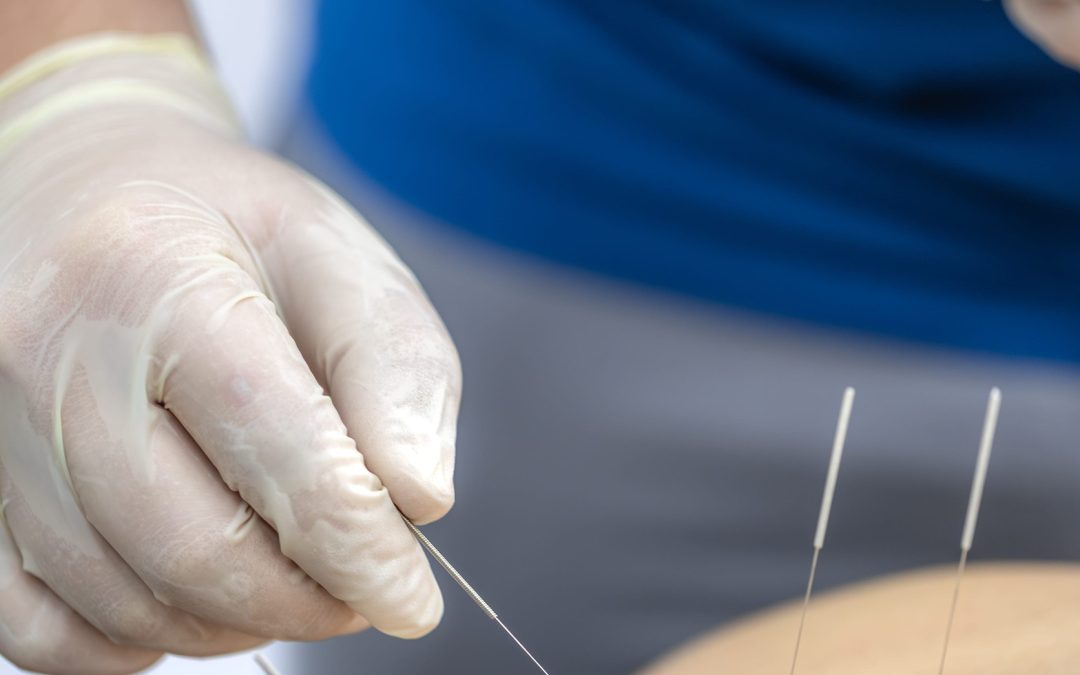
With your structural map completed, the active treatment phase begins using solid filament needles. For patients using advanced clinical interventions, the application of technical acupuncture for pain management introduces sterile filaments into the core of these hyperirritable zones to break the structural lock.
The insertion targets short, bound fibers to trigger a local fasciculation response, which is an involuntary muscle twitch. This twitch occurs when the needle hits a locked motor unit.
Mechanically, this brief contraction breaks the continuous biochemical loop, keeping the tissue short, forcing the tight muscle fibers to release instantly and return to their proper resting length. This response immediately lowers tissue tension.
Low-Frequency Electrical Microcurrents at the Motor Point
Once primary tissue contractions are released, the provider connects small clips to the needles to introduce a safe, low-frequency electrical microcurrent. This process delivers an objective stimulation that interacts directly with your neural networks, bypassing standard pain pathways to interact with the central nervous system.
This electrical microcurrent causes the muscle to contract and relax in a gentle, rhythmic pulse. This pulsing teaches dormant, inhibited muscles how to activate properly while blocking ongoing pain signals travelling up your spinal cord.
The clinical use of acupuncture sports medicine targets these motor entry zones to stimulate contraction patterns without stressing vulnerable joint capsules. Rigorous clinical trials show that using low-frequency electrical stimulation aids post-exercise recovery by clearing metabolic accumulations.
Managing Post-Treatment Metabolic Windows Safely
Athletes understand that their active recovery process continues long after they leave the treatment table. The hours immediately following your initial needling session trigger an active metabolic response within your muscle tissues that requires specific care guidelines to maximize structural stability.
Because releasing tight muscle knots releases trapped cellular metabolic byproducts, drinking clean water is necessary to help your system process these changes. You may notice mild soreness or light tiredness as your nervous system adapts to its corrected alignment.
For those recovering from severe strain, relying on targeted acupuncture for pain management provides an alternative to continuous pharmaceutical use. Resting your body during this three-hour window prevents secondary strain.
For more guidance on recovery timing, you can read our specific advice on the practice’s lower back pain acupuncture guide, which outlines how to protect tissue integrity.
Establishing Diagnostic Trajectories for Maintenance Intervals
The final portion of your initial visit is dedicated to building a clear, long-term operational strategy. Your body’s immediate response to this first treatment provides the specialist with a customized diagnostic baseline, replacing standard, calendar-based tracking with real-time feedback.
By measuring how well your muscles hold their corrected firing patterns, using clinical treatment moves away from short-term relief toward lasting structural change. If your tissues show deep guarding, an initial course of four to six visits may be required.
Ultimately, when looking at the real-world application of orthopedic acupuncture Broomfield CO, practitioners utilize an adaptive protocol that allows patients to move past short-term comfort toward true structural endurance.
This data-driven tracking ensures your care matches actual physical benchmarks. To view ongoing clinical updates, you can explore the practice’s compiled educational articles on our sports injury clinical resources page.
Conclusion
Demystifying the sequence of your initial orthopedic needling session establishes a transparent path to structural recovery. By combining functional movement scans, deep palpation, localized twitch responses, and targeted electrical neural stimulation, this clinical process fundamentally changes how your body handles mechanical stress.
Choosing a structured course of acupuncture for pain management breaks your historical injury loops, returning full structural capacity to compromised tissues. How long has your kinetic chain been compensating for an unresolved physical limitation?
Scheduling an initial movement evaluation provides the clear data and mechanical baseline required to stop managing recurring symptoms and start restoring true physical freedom.